Category: Uncategorized

  • Singapore Festival Calendar 2024

    SG City guide to Singapore's Festivals

    Singapore is renowned for being a multicultural nation due to its diverse population comprising various ethnicities, including Chinese, Malay, Indian, and Eurasian communities. This cultural diversity is rooted in the country’s past as a trading hub, attracting immigrants from different parts of the world. Over time, these different cultures have coexisted and intermingled, giving rise to a rich tapestry of traditions, customs, and practices.

    The multiculturalism in Singapore is prominently reflected in the plethora of festivals that are celebrated annually. Each ethnic group brings its unique festivals and celebrations, which are embraced and appreciated by all residents regardless of their cultural background. For instance, Chinese New Year, Deepavali, Hari Raya Puasa, and Christmas are widely celebrated in Singapore, with festive decorations, music, performances, and culinary delights that showcase the vibrancy of each culture.

    Moreover, Singapore also celebrates multicultural events such as Chingay Parade and the Singapore Heritage Festival, which bring together various communities to commemorate the nation’s diversity and heritage. These festivals not only foster a sense of unity and understanding among different ethnic groups but also serve as platforms to promote intercultural exchange and appreciation.

    Singapore’s multiculturalism is a fundamental aspect of its identity, and the annual celebration of a broad spectrum of festivals underscores the harmonious coexistence of diverse cultures in the country. These festivals not only add color and liveliness to the nation’s cultural landscape but also serve as a powerful symbol of unity in diversity.

    January

    • Chinese New Year: Celebrated by the Chinese community with vibrant parades, traditional performances, and festive markets.

    • Thaipusam: Hindu festival featuring elaborate processions and rituals at temples like Sri Thendayuthapani Temple.

    March

    • Chingay Parade: Annual multicultural event with dazzling floats, vibrant costumes, and performances from different ethnic groups.

    May

    • Vesak Day: Buddhists celebrate the birth, enlightenment, and death of Buddha with ceremonies at temples like Kong Meng San Phor Kark See Monastery.

    July

    • Hari Raya Puasa: Muslims mark the end of Ramadan with prayers, feasting, and visiting relatives.

    August

    • National Day: Singaporeans come together to celebrate the nation’s independence with fireworks, parades, and cultural performances.

    October

    • Deepavali: Hindu festival of lights celebrated with decorative lights, traditional sweets, and cultural performances in areas like Little India.

    November

    • Diwali Mela: Annual Indian cultural festival featuring music, dance, food, and shopping at venues like Gardens by the Bay.

    December

    • Christmas Wonderland: Orchard Road transforms into a winter wonderland with light displays, festive markets, and entertainment for all.

    Amidst this festival calendar, Singapore shines as a colorful and multicultural nation, where diverse communities come together to celebrate their traditions and heritage throughout the year.
  • Expat’s Guide to Office Culture in Singapore

    If you are an expat relocating to Singapore for work, understanding the local office culture is crucial for a smooth transition. Here are some key aspects to keep in mind:

    Work Etiquette

    • Punctuality: Punctuality is highly valued in Singapore. Arriving late for meetings or appointments is considered disrespectful.

    • Hierarchy: Hierarchical relationships are important in Singaporean offices. It is customary to address superiors by their titles and show respect for their authority.

    • Team Collaboration: Singaporean workplaces emphasize teamwork and collaboration. Building strong relationships with colleagues is essential.

    Communication Style

    • Direct Communication: Singaporean communication is often direct and straightforward. Be prepared for frank feedback and avoid beating around the bush.

    • Non-verbal Cues: Non-verbal cues, such as body language and facial expressions, play a significant role in communication. Pay attention to these cues during interactions.

    • Politeness: Courtesy and politeness are highly valued. Using “please” and “thank you” is considered good manners.

    Dress Code

    • Formal Attire: Most Singaporean offices have a formal dress code. Men typically wear suits or shirts with ties while women opt for professional attire.

    • Casual Fridays: Some offices practice “Casual Fridays” where employees can dress more casually. However, it is advisable to follow the example of your colleagues in such situations.

    Office Politics

    • Maintain Diplomacy: Office politics exist in Singaporean workplaces, as in any other country. It is essential to navigate these dynamics with diplomacy and tact.

    • Networking: Building a strong professional network is beneficial in Singapore. Attend social events and engage with colleagues outside of work to strengthen relationships.

    Work-Life Balance

    • Importance of Balance: Singaporeans value work-life balance, and many companies offer flexible work arrangements. It is crucial to prioritize your well-being and avoid overworking.

    • Lunch Culture: Lunch breaks are often seen as an opportunity for socializing and team bonding. Embrace this time to connect with your colleagues.

    By familiarizing yourself with these aspects of office culture in Singapore, you can adapt more effectively and thrive in your new work environment.

  • Expat Guide: Official Languages Spoken in Singapore

    Singapore is a multicultural melting pot where people from various ethnic backgrounds coexist harmoniously. The nation embraces four official languages, reflecting its diverse heritage. Here is a brief overview of each official language:

    1. English

    English is the primary language used for official and business purposes in Singapore. It is also the primary medium of instruction in schools. Most Singaporeans are bilingual in English and another language, which makes communication easy for expats.

    2. Mandarin Chinese

    Mandarin Chinese is one of the most widely spoken languages in Singapore, especially among the Chinese community. It is also used in official settings and business dealings. Learning basic Mandarin can be beneficial for expats looking to engage with the local Chinese population.

    3. Malay

    Malay is the national language of Singapore and holds significant cultural importance. While it is not as widely spoken as English or Mandarin, understanding Malay phrases can help expats navigate the local culture and social interactions.

    4. Tamil

    Tamil is spoken by the Indian community in Singapore and holds official status in the country. Expats interacting with the Indian community or working in Tamil-speaking environments may find it helpful to learn some basic Tamil phrases.

    Language Diversity and Harmony

    Singapore’s multicultural society celebrates its linguistic diversity, encouraging individuals to embrace languages beyond their mother tongues. Expats living in Singapore have the opportunity to immerse themselves in different languages and cultures, enriching their overall experience in the country.

    Expats are not expected to be fluent in all official languages, but demonstrating an interest in learning and respecting the local languages can go a long way in fostering positive relationships with the community.

    By understanding the significance of each official language in Singapore, expats can navigate daily interactions with ease and gain a deeper appreciation for the cultural tapestry that makes the Lion City unique.

  • Guide to the Best Beaches in Singapore

    Best Beaches SG - GUIDE

    Singapore may be known for its vibrant city life and towering skyscrapers, but it also boasts some beautiful beaches where you can relax and unwind. Here are some of the best beaches in Singapore that you can visit to escape the hustle and bustle of the city:

    East Coast Park

    Location: East Coast Park Service Rd, Singapore 449876

    East Coast Park is one of the most popular beaches in Singapore, stretching over 15 kilometers along the southeastern coast of the island. It offers a wide range of activities, including cycling, rollerblading, picnicking, and barbecue gatherings. The beach is lined with palm trees and dotted with food stalls serving local delights.

    Palawan Beach

    Location: Sentosa Island, Singapore 099981

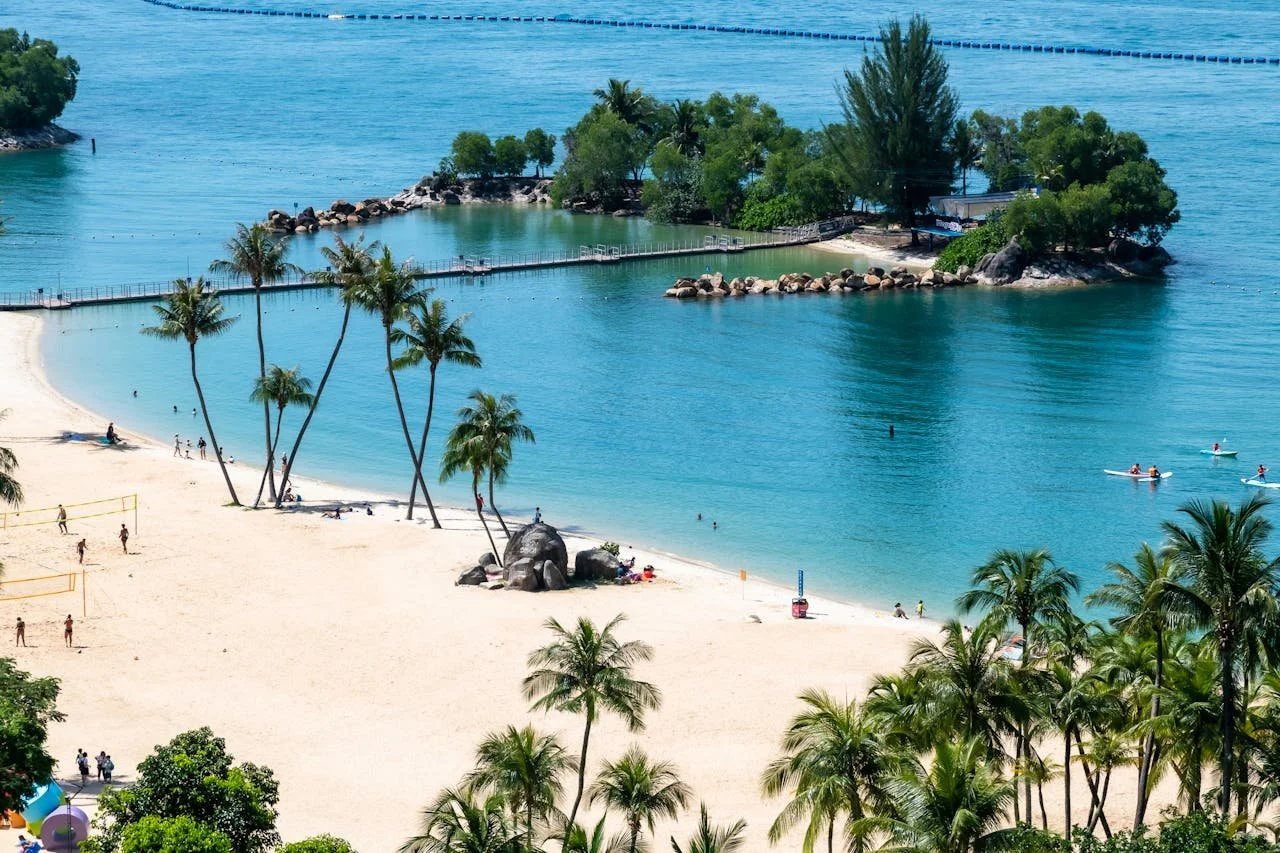
    Located on Sentosa Island, Palawan Beach is a picturesque stretch of white sand and clear blue waters. You can walk along the suspension bridge to a small islet that is said to be the southernmost point of continental Asia. The beach is family-friendly and offers amenities like playgrounds and beach bars.

    Siloso Beach

    Location: Sentosa Island, Singapore 099981

    Another popular beach on Sentosa Island, Siloso Beach is known for its lively atmosphere and water sports activities. You can try your hand at activities like kayaking, paddle-boarding, and beach volleyball. The beach is also lined with trendy bars and restaurants where you can grab a bite or enjoy a cocktail.

    Tanjong Beach

    Location: Sentosa Island, Singapore 099981

    Tanjong Beach is a more tranquil and secluded option on Sentosa Island, perfect for those looking for a peaceful escape. The beach is lined with palm trees and dotted with beach clubs where you can relax in style. You can also catch stunning sunsets here, making it a great spot for romantic evening strolls.

    While Singapore may not be famous for its beaches, these spots offer a refreshing break from the urban landscape and are perfect for a day of relaxation or fun in the sun. Whether you prefer a bustling atmosphere or a secluded retreat, Singapore’s beaches have something for everyone to enjoy.

  • Expats Guide to Seasons in Singapore and Dressing for Work

    Singapore has a tropical climate with consistent temperatures and high humidity throughout the year. The country experiences two main monsoon seasons – the Northeast Monsoon from December to March and the Southwest Monsoon from June to September. The remaining months are characterized by inter-monsoon periods.

    Dressing for Work

    Dry Season (December to March)

    • Attire: Light, breathable fabrics such as cotton or linen are ideal.

    • Men: Dress shirts with slacks are common, while a tie may be optional. A blazer or suit jacket could be necessary for formal meetings.

    • Women: Blouses paired with skirts or dress pants are suitable. A light blazer can be worn for a more professional look.

    • Accessories: Sunglasses, sunhat, and a reusable water bottle can help you stay comfortable during the warm weather.

    Rainy Season (June to September)

    • Attire: Waterproof or quick-drying materials are recommended due to frequent rain showers.

    • Men: Polo shirts or light sweaters with water-resistant pants can be practical. Carrying an umbrella is advisable.

    • Women: Blouses or tops with cardigans and slacks or skirts. A compact umbrella in your bag can come in handy.

    Inter-Monsoon Periods (April to May, October to November)

    • Attire: It’s advisable to dress in layers to accommodate the fluctuating weather during these transition periods.

    • Men & Women: A mix of short-sleeved tops or blouses with light jackets or cardigans, paired with slacks or skirts. Comfortable footwear for walking in potential rain is recommended.

    Additional Tips

    • Footwear: Closed-toe shoes are suitable for work, but it’s wise to keep a spare pair in case of unexpected rain.

    • Colors: Neutral tones are generally acceptable in the workplace, while brighter colors can be introduced to add a touch of vibrancy.

    • Personal Hygiene: With the humid climate, carrying facial wipes or a small towel can help freshen up during the day.

    Adjusting to Singapore’s climate may take some time, but dressing appropriately for work can ensure you stay comfortable and professional regardless of the season.

  • Guide to Meeting Friends in Singapore as an Expat

    As an expat in Singapore, meeting new friends and building a social circle is an important aspect of settling into your new environment. Here are some tips to help you navigate the social scene in Singapore:

    1. Join Expat Groups

    There are numerous expat groups and communities in Singapore that organize regular meetups, social events, and activities. Joining these groups can be a great way to meet other expats who are also looking to make new friends.

    2. Attend Social Events

    Keep an eye out for social events happening in your neighborhood or through platforms like Meetup or Eventbrite. Singapore has a vibrant social scene with events ranging from networking mixers to cultural festivals, providing ample opportunities to meet new people.

    3. Participate in Sports or Hobbies

    Joining a sports team, fitness class, or hobby group is not only a great way to stay active and learn something new but also an excellent way to meet like-minded individuals who share your interests.

    4. Explore Co-Working Spaces

    If you’re working remotely or as a freelancer, consider working out of co-working spaces in Singapore. These spaces often host networking events, workshops, and social activities that can help you connect with other professionals and expand your social circle.

    5. Volunteer for a Cause

    Volunteering for a cause you’re passionate about is a meaningful way to meet new people while giving back to the community. There are plenty of organizations in Singapore that welcome volunteers and offer opportunities to connect with people who share your values.

    6. Attend Language Exchange Meetups

    Singapore is a multicultural city with a diverse population speaking different languages. Consider attending language exchange meetups to practice a new language and meet individuals from various backgrounds.

    7. Be Open and Approachable

    Finally, be open to new experiences and approachable when interacting with others. Singapore is a friendly and welcoming place, and a smile can go a long way in starting a conversation with someone new.

    By proactively seeking out opportunities to meet people and engage with the community, you’ll soon find yourself amidst a vibrant network of friends and acquaintances in Singapore. Remember that building meaningful relationships takes time, so be patient and enjoy the journey of making new connections in your new home.

  • Guide to Celebrating Easter in Singapore

    Easter is not widely celebrated in Singapore, as it is a multicultural and multi-religious country. However, for those looking to partake in the festivities, there are still ways to celebrate Easter in the Lion City. Here are some suggestions:

    Church Services:

    Many churches in Singapore hold special Easter services that are open to the public. These services often include music, prayers, and sermons related to the significance of Easter in the Christian faith. You can check out local church websites or listings for more information on timings and locations.

    Easter Brunch:

    Several hotels and restaurants in Singapore offer Easter brunch specials. These brunches typically feature a wide array of delectable dishes, including traditional Easter favorites like hot cross buns, roast lamb, and chocolate eggs. It’s a great way to enjoy a festive meal with family and friends.

    Easter Egg Hunts:

    Although not as prevalent as in some other countries, there are a few places in Singapore that host Easter egg hunts. These events are usually organized by community centers, clubs, or even some shopping malls. Keep an eye out for announcements closer to Easter for details on any upcoming egg hunts.

    DIY Celebrations:

    If you prefer a more low-key celebration, you can always opt to celebrate Easter at home. Consider decorating eggs, baking Easter-themed treats, or organizing a family Easter meal. It’s a great way to bond with loved ones and create lasting memories.

    Easter-themed Activities:

    Some attractions in Singapore may offer Easter-themed activities or promotions during the season. Keep an eye out for any special events, workshops, or promotions happening at places like gardens, museums, or theme parks.

    While Easter may not be as widely observed in Singapore compared to other countries, there are still opportunities to celebrate the holiday in your own way. Whether you choose to attend a church service, enjoy a festive meal, or participate in Easter-themed activities, the key is to embrace the spirit of the season and enjoy quality time with your loved ones.

  • Guide to the Best Green Spaces in Singapore

    SG city guide

    Singapore, known for its vibrant city life, also boasts a plethora of green spaces where locals and tourists can escape the urban hustle and bustle. Here are some of the best green spaces in Singapore to explore:

    1. Gardens by the Bay:

      • Located in Marina Bay, Gardens by the Bay is a futuristic park featuring the iconic Supertree Grove and two bio-domes – Flower Dome and Cloud Forest. Visitors can marvel at the unique flora and enjoy evening light shows.

    2. Botanic Gardens:

      • Singapore Botanic Gardens is a UNESCO World Heritage Site and a must-visit for nature lovers. Explore the lush greenery, serene lakes, and the National Orchid Garden showcasing a stunning collection of orchids.

    3. MacRitchie Reservoir Park:

      • Nature enthusiasts will appreciate MacRitchie Reservoir Park for its extensive trails, treetop walk, and kayaking activities. The highlight is the HSBC Treetop Walk offering panoramic views of the reservoir.

    4. East Coast Park:

      • If you’re a beach lover, head to East Coast Park for a mix of greenery and coastal views. Enjoy cycling, picnicking, and water sports along the park’s 15 kilometers of shoreline.

    5. Southern Ridges:

      • This 10-kilometer trail connects various parks, including Mount Faber Park, Telok Blangah Hill Park, and Kent Ridge Park. Hike through lush greenery, canopy walks, and enjoy panoramic vistas of the city.

    6. Fort Canning Park:

      • Rich in history and nature, Fort Canning Park offers tranquility amidst the city center. Explore ancient relics, lush gardens, and attend cultural events at this iconic hilltop park.

    Whether you’re looking for a leisurely stroll, a challenging hike, or a peaceful retreat, Singapore’s green spaces offer something for everyone to enjoy nature’s beauty within this urban oasis.

  • Must-See Architecture in Singapore

    Singapore guide of best places to see

    If you appreciate stunning architecture, Singapore offers a diverse array of buildings that are not to be missed. Here are some remarkable architectural gems worth visiting in the Lion City:

    1. Marina Bay Sands

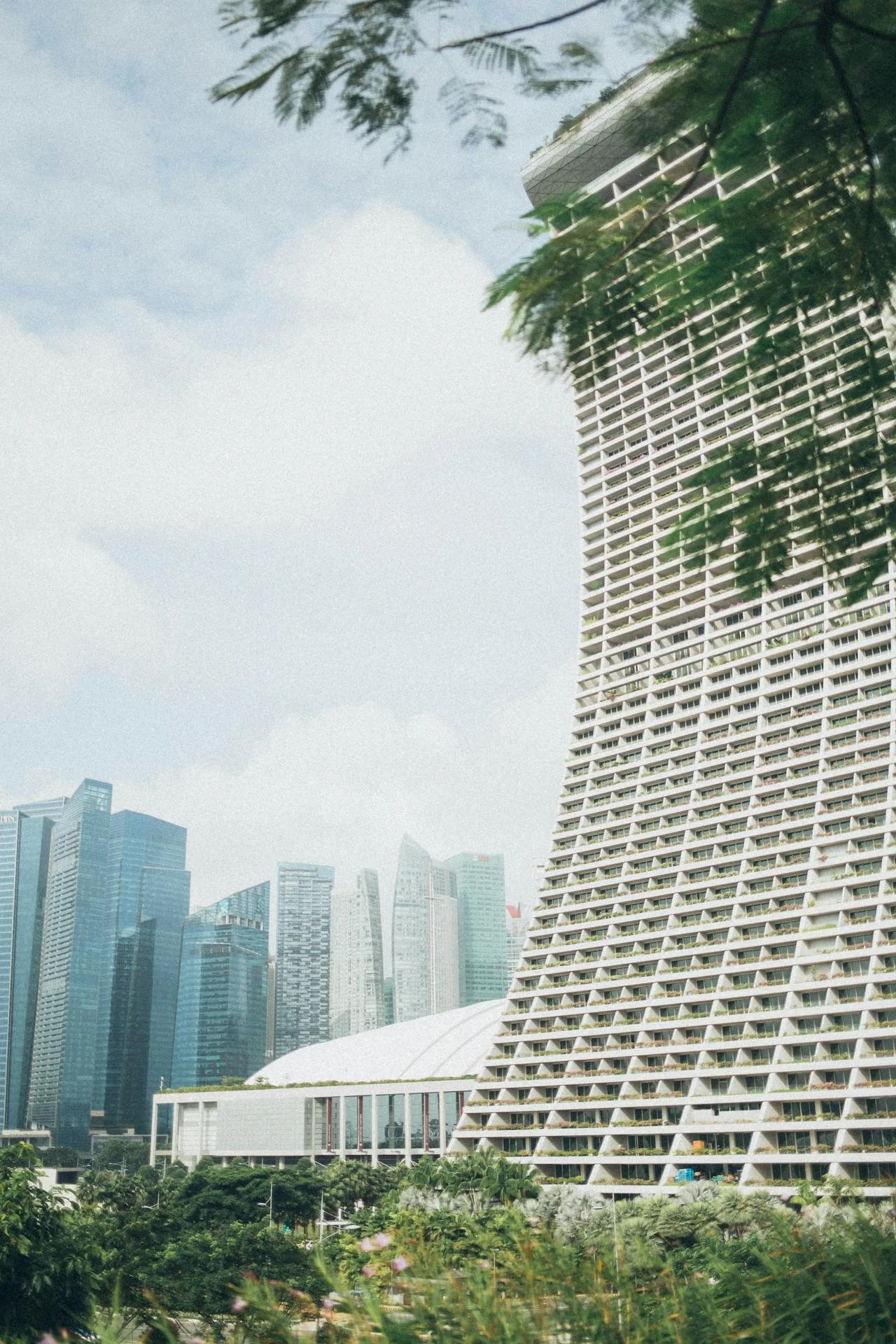
    • Elegantly designed with a unique boat-shaped rooftop, Marina Bay Sands is an iconic structure that dominates the Singapore skyline. Don’t miss the panoramic views from the observation deck. https://marinabaysands.com/

    2. ArtScience Museum

    • Shaped like an open lotus flower, the ArtScience Museum at Marina Bay Sands is a fascinating architectural masterpiece that hosts innovative exhibitions blending art and science. https://marinabaysands.com/museum.html

    3. Henderson Waves

    4. PARKROYAL on Pickering

    5. The Interlace

    6. Gardens by the Bay

    • The Supertree Grove at Gardens by the Bay showcases futuristic tree-like vertical gardens that not only provide a stunning visual display but also serve as sustainable structures for environmental purposes. https://www.gardensbythebay.com.sg/

    7. National Gallery Singapore

    • Housed in the former Supreme Court and City Hall buildings, the National Gallery Singapore seamlessly blends historical architecture with modern design, creating a captivating space for art enthusiasts. https://www.nationalgallery.sg/

    8. Reflections at Keppel Bay

    Whether you’re a fan of modern skyscrapers, innovative bridges, or sustainable structures, Singapore’s architectural landscape offers a wealth of must-see buildings that combine functionality with aesthetic appeal. Take a stroll through the city and feast your eyes on these architectural wonders that make Singapore truly unique.

  • Must-Try Drinks in Singapore

    City guide for visitors to Singapore

    When visiting Singapore, be sure to explore the diverse and vibrant local drink scene. From traditional favorites to innovative concoctions, here are some must-try beverages to add to your list:

    1. Singapore Sling

    • A classic cocktail invented in Singapore, the Singapore Sling is a refreshing blend of gin, cherry brandy, Cointreau, Benedictine, pineapple juice, lime juice, and grenadine. Head to the iconic Raffles Hotel to savor this legendary drink in its birthplace.

    2. Kopi

    • Experience the local coffee culture by trying Kopi, a traditional coffee drink made with a unique blend of coffee beans and sweetened condensed milk. You can customize the sweetness and strength of your Kopi according to your preference.

    3. Teh Tarik

    • Teh Tarik, which translates to “pulled tea,” is a popular local beverage made with black tea and condensed milk. The tea is meticulously “pulled” between two containers to create a frothy texture. Don’t miss trying this comforting drink at a hawker center.

    4. Bubble Tea

    • Join the bubble tea craze and indulge in a variety of flavorful tea-based drinks with chewy tapioca pearls. From classic milk tea to fruity flavors and cheese foam toppings, there’s a bubble tea concoction for every palate in Singapore.

    5. Bandung

    • For a taste of nostalgia, sip on Bandung, a rose syrup milk drink that boasts a vibrant pink hue. This sweet and fragrant beverage is perfect for cooling off in Singapore’s tropical climate.

    6. Sugar Cane Juice

    • Stay hydrated with freshly squeezed sugar cane juice, a popular beverage found at many local stalls and markets. Enjoy the natural sweetness and refreshing qualities of this healthy drink.

    Whether you prefer cocktails, coffee, or uniquely Singaporean beverages, these must-try drinks offer a delightful way to immerse yourself in the rich flavors of the city. Don’t forget to share your favorites with friends and fellow travelers to spread the joy of Singaporean beverages. Cheers!