Author: admin

  • Guide to the Largest Wet Markets in Singapore

    Singapore is well-known for its vibrant food scene, and wet markets play a crucial role in offering fresh produce, seafood, and meats. Here’s a look at some of the largest wet markets across the island.

    1. Tekka Centre

    Located in Little India, Tekka Centre is one of Singapore’s most famous wet markets. It houses a plethora of stalls offering fresh fruits, vegetables, meat, and seafood. The market is particularly known for its variety of Indian and Malay ingredients, making it a favourite among local chefs and home cooks alike. There are also food stalls serving a wide range of delicious local dishes.

    Highlights:

    • Fresh produce from local farmers and suppliers

    • Selection of spices and Indian groceries

    • A vibrant atmosphere with cultural influences

    2. Chinatown Complex Market and Food Centre

    As the largest hawker centre and wet market in Singapore, Chinatown Complex offers a unique shopping experience. The wet market is located on the first floor and features a diverse range of goods, from fresh seafood and poultry to fruits and vegetables. It is especially popular for its affordable prices and bustling atmosphere.

    Highlights:

    • Extensive variety of fresh seafood and meats

    • A wide array of fruits and vegetables

    • Proximity to numerous hawker stalls serving local delicacies

    3. Geylang Serai Market

    Geylang Serai Market, situated in the east of Singapore, is a vibrant marketplace famous for its Malay cultural influence. The market features a wet section with an impressive array of fresh produce, seafood, and halal meat products. It’s an excellent place for those looking to prepare traditional Malay dishes.

    Highlights:

    • Specialised in halal produce and meats

    • Strong focus on local and seasonal ingredients

    • A cultural hub with festivals and events throughout the year

    4. Kallang Estate Wet Market

    Kallang Estate Wet Market is a neighbourhood market that caters to the local community. It’s a popular stop for fresh produce, meats, and seafood. The market is known for its friendly vendors and affordable prices, making it a convenient choice for daily shopping.

    Highlights:

    • Offers fresh catch from local fishermen

    • Variety of local fruits and vegetables

    • Less touristy, providing an authentic shopping experience

    5. Bedok Interchange Hawker Centre and Market

    This wet market, located within the Bedok Interchange, serves a bustling community in the eastern part of Singapore. The market provides a good selection of fresh seafood, meats, and produce at competitive prices. It operates alongside a popular hawker centre offering a myriad of local dishes.

    Highlights:

    • Quick access to a range of fresh produce

    • Popular spot for residents, ensuring quality and freshness

    • Conveniently located near public transport

    Singapore city tips

    Visiting wet markets in Singapore not only allows you to source fresh ingredients but also provides a glimpse into the local culture and food lifestyle. Each of these markets has its unique offerings and atmosphere, making them worthwhile additions to your culinary explorations in the city. Whether you are a seasoned cook or simply looking to experience local life, these wet markets offer something for everyone.
  • Guide to Shopping in Wet Markets in Singapore

    Wet markets are an integral part of Singapore’s culture, offering fresh produce, seafood, and meats at competitive prices. Shopping at these markets can be a delightful experience for both locals and visitors. Here’s a guide on how to navigate and make the most of your wet market shopping.

    Preparing for Your Visit

    1. Know the Location

    Wet markets are scattered throughout Singapore, often found in residential areas. Some popular wet markets include Tekka Centre (Little India), Chinatown Complex, and Tiong Bahru Market.

    2. Check Opening Hours

    Most wet markets are open in the morning and close by midday, typically between 6 AM and 2 PM. Some may reopen in the evening for a few hours. Always check the specific market hours before your visit.

    3. Bring Cash

    Most vendors do not accept credit cards, so carry enough cash (preferably in small denominations) to make your purchases without hassle.

    Shopping Tips

    1. Arrive Early

    To get the freshest produce and the best selection of products, visit the market early in the morning. This also helps avoid the crowds, giving you a more pleasant shopping experience.

    2. Bring Your Own Bags

    While some vendors might provide plastic bags, it’s advisable to bring your own reusable bags for convenience and sustainability.

    3. Inspect Products

    Take your time to inspect the quality of the fruits, vegetables, and meats. Different stalls may offer varying levels of freshness and price, so it can be worthwhile to compare before making a purchase.

    4. Bargaining

    Negotiation is common in wet markets. While prices are usually reasonable, don’t hesitate to ask for a better deal, especially if you are buying in bulk.

    5. Engage with Vendors

    Many vendors are friendly and willing to share cooking tips or recipe suggestions. Engaging with them can enhance your shopping experience and may lead to better deals.

    Understanding Product Types

    1. Fresh Produce

    Expect a wide variety of local fruits and vegetables, including exotic options. Seasonal offerings are abundant, so be sure to ask about recommended picks.

    2. Seafood

    Wet markets often have a vast selection of seafood, from fish to shellfish. Ask the vendors about the day’s catch for the freshest options.

    3. Meats

    Butchers at wet markets provide various cuts of meat, including pork, chicken, and beef. If you have a specific cut in mind, don’t hesitate to request it.

    4. Other Items

    Many wet markets also sell cooked food, spices, herbs, and household goods. These can add variety to your shopping experience.

    Hygiene Considerations

    1. Observe Cleanliness

    While wet markets can be bustling and vibrant, it is essential to observe hygiene practices. Look for vendors maintaining cleanliness in their stalls and handling of products.

    2. Wash Produce

    Make sure to thoroughly wash any fresh produce before consumption to ensure it is safe to eat.

    3. Use Sanitiser

    Carry hand sanitiser for convenience, especially after handling money and products.

    Singapore city guide

    Shopping at wet markets in Singapore provides a unique opportunity to experience local culture and flavours. By following these tips, you can enjoy a successful and enjoyable wet market visit, discovering fresh ingredients and engaging with friendly vendors. Happy shopping!

  • Dressing for a Banking Job in Singapore: A Humidity Guide

    When preparing for a banking job in Singapore, it is essential to balance professional attire with comfort, particularly due to the country’s high humidity. Here are key considerations and tips to help you dress appropriately.

    Fabrics

    1. Lightweight Materials: Opt for fabrics that are breathable and lightweight. Cotton, linen, and moisture-wicking blends are ideal choices as they allow your skin to breathe and help manage perspiration.

    2. Avoid Synthetics: Stay clear of heavy synthetic fabrics such as polyester, which can trap heat and moisture, leading to discomfort.

    3. Wrinkle Resistance: Choose materials that resist wrinkling, as maintaining a crisp appearance can be challenging in humid conditions. Look for blends that include polyester or choose high-quality cotton fabrics.

    Clothing Styles

    1. Suits: When selecting a suit, go for tailored, unstructured designs that provide ease of movement. Lighter colours can also reflect heat better than darker shades.

    2. Shirts and Blouses: Select short- or three-quarter sleeves to keep cool, or opt for long sleeves in breathable fabrics. Light colours are preferable to avoid showing sweat.

    3. Trousers and Skirts: Choose tailored trousers or skirts that provide comfort and airflow. A-line skirts and wider-leg trousers can help to enhance ventilation.

    4. Footwear: Closed-toe shoes are generally expected in banking, but select styles made from breathable materials. Consider leather sandals or loafers that offer comfort and support without compromising professionalism.

    Accessories

    1. Bags: Use a structured bag to maintain a professional look, and select one with ample space for any changes throughout the day. Choose materials that are easy to clean and maintain.

    2. Jewellery: Keep accessories minimal. Opt for lightweight pieces that won’t weigh you down or contribute to discomfort.

    3. Deodorants and Antiperspirants: While this isn’t a clothing item, it is vital to invest in reliable anti-perspirants and refreshing body sprays to stay feeling fresh throughout a busy workday.

    Additional Tips

    • Layering: Consider light layering with a breathable blazer or cardigan that can be removed once you are in the office, allowing you to adjust based on the air conditioning indoors.

    • Prepared for Transitions: Singapore’s humid climate can lead to sudden weather changes. Keep an umbrella handy and dress in a way that makes it easy to adapt.

    • Keep it Professional: While comfort is essential, always ensure that your clothing aligns with the professional standards of the banking industry, which often leans towards conservative attire.

    By carefully selecting your wardrobe with these guidelines, you can maintain both professionalism and comfort in Singapore’s humid climate.

  • Guide on What to Wear to a Singapore Wedding

    When attending a wedding in Singapore, it’s essential to consider the local culture, climate, and the specific dress code outlined by the couple. Singapore’s tropical climate means that lightweight and breathable fabrics are ideal.

    Traditional Chinese Weddings

    • Men: Opt for a lightweight suit in light colours, such as beige or light grey. A crisp white or pastel-coloured shirt with a tie can complete the look.

    • Women: A cocktail dress or a formal maxi dress is appropriate. Bright colours or floral patterns are often seen. Avoid white, as it is reserved for the bride.

    Malay Weddings

    • Men: Traditional Baju Kurung (a loose-fitting shirt) paired with trousers or a formal suit in earthy tones, like brown or green, is suitable.

    • Women: A Baju Kurung or a long dress with intricate embroidery. Use fabrics like silk or chiffon, and opt for modest designs that cover arms and legs.

    Indian Weddings

    • Men: A kurta with a churidar (tapered trousers) or a traditional sherwani. Light fabrics are preferable, given the weather.

    • Women: An elegant saree or lehenga in vibrant colours. Accessorise with traditional jewellery, but ensure it complements rather than overshadows the outfit.

    Western Weddings

    • Men: A formal suit or tuxedo with a tie. Bright ties or pocket squares can add a touch of personality.

    • Women: A formal gown or an elegant cocktail dress. Choose breathable materials and consider a shawl or wrap for air-conditioned venues.

    Tips

    • Footwear: Because many weddings involve indoor and outdoor elements, choose comfortable yet appropriate shoes. Closed-toe options are generally more versatile.

    • Accessories: Since weddings are celebratory occasions, opt for tasteful accessories. However, be mindful not to overshadow the bride.

    • Climate Consideration: Singapore’s humidity can be intense, so fabrics such as cotton, linen, or blends that wick moisture will provide comfort.

    Cultural Sensitivity

    Always consider the couple’s cultural background and choose outfits that respect traditional values. If in doubt, reaching out directly to the couple or wedding planner for advice can help ensure you are appropriately attired.

    Singapore tips

    Wearing the right outfit to a Singapore wedding requires a blend of style, comfort, and cultural respect. By choosing the appropriate attire, you can fully enjoy the celebration, partake in the festivities, and honour the couple’s special day.

  • The Best Instagram Spots in Singapore

    Singapore is a city that effortlessly blends tradition with modernity, offering plenty of picture-perfect spots for Instagram enthusiasts. Here are some of the best locations to capture stunning images.

    1. Gardens by the Bay

    An iconic part of Singapore’s skyline, Gardens by the Bay features the futuristic Supertree Grove, a series of towering structures draped in greenery. The Cloud Forest and Flower Dome offer vibrant floral displays and cool misty climates, making for beautiful photos. Be sure to visit in the evening for the enchanting light show.

    2. Marina Bay Sands SkyPark

    For panoramic views of the city, head to the SkyPark atop Marina Bay Sands. The observation deck provides breathtaking vistas of Singapore’s skyline and the Marina Bay area. Sunset is particularly popular for capturing the city bathed in golden light.

    3. Sentosa Island

    Sentosa boasts a variety of picturesque backdrops, from pristine beaches to the iconic Universal Studios Singapore. The silhouette of the island’s attractions during sunset, combined with the azure waters, makes for memorable photographs.

    4. Haji Lane

    This narrow street in the Kampong Glam neighbourhood is renowned for its vibrant murals and eclectic boutiques. The colourful walls provide a perfect backdrop for candid shots and outfit photos, embodying the area’s youthful and artistic spirit.

    5. Clarke Quay

    Clarke Quay is famous for its lively riverside atmosphere and historic shophouses. The colourful waterfront, especially illuminated at night, is ideal for dynamic evening shots, capturing the vibrant energy of the nightlife.

    6. Tiong Bahru

    One of Singapore’s oldest housing estates, Tiong Bahru is characterised by its art deco architecture and hipster cafes. The tranquil streets lined with quaint shops and colourful murals offer a unique blend of nostalgia and modern aesthetics.

    7. The ArtScience Museum

    Known for its lotus-inspired design, the ArtScience Museum at Marina Bay Sands is not just an architectural marvel but also hosts captivating exhibitions. Its unique exterior and surrounding waters provide excellent photographic opportunities.

    8. Botanic Gardens

    A UNESCO World Heritage site, the Singapore Botanic Gardens is an oasis in the city. The National Orchid Garden within features thousands of orchid species, allowing for vibrant nature shots, especially in the morning light.

    9. Raffles Hotel

    The newly restored Raffles Hotel offers a glimpse into Singapore’s colonial past. The grandeur of its facade and lush courtyard gardens are perfect for capturing elegance and historic charm.

    10. The Jewel Changi Airport

    This architectural wonder features the world’s tallest indoor waterfall, surrounded by a lush indoor garden. The interplay of light and water creates a stunning backdrop, making it a must-visit for travellers and photographers alike.

    11. The Merlion Park

    No visit to Singapore is complete without a photo with the iconic Merlion statue. The statue offers a stunning view of Marina Bay Sands in the background, making for an iconic Singapore shot, particularly at dawn or dusk.

    12. East Coast Park

    This expansive park along the coast is ideal for capturing scenic beach views and recreational activities. The sunset along the shoreline provides a serene backdrop for beach lovers and casual strollers alike.

    13. Little India

    Vibrant and full of life, Little India offers a plethora of colours and textures. From the intricate details of the temples to the lively streets filled with bazaars, it is a vibrant locale perfect for capturing cultural richness.

    Singapore guide

    Singapore is a treasure trove of photographic locations. Each area offers a unique perspective of the city, enabling you to capture both its modern marvels and cultural heritage. Whether you are a local or a visitor, these spots will enhance your Instagram feed with unforgettable images.

  • Guide to Celebrating Diwali in Singapore

    Singapore trusted guide for visitors

    Diwali, also known as the Festival of Lights, is celebrated by millions around the world, including the vibrant Indian community in Singapore. The festival signifies the triumph of light over darkness and good over evil. Here’s a Singapore guide on how to celebrate Diwali in Singapore.

    1. Understanding the Significance

    Before participating in the celebrations, it’s important to understand the significance of Diwali. The festival commemorates the return of Lord Rama to Ayodhya after defeating the demon king Ravana. It is also associated with the goddess Lakshmi, symbolising wealth and prosperity.

    2. Preparing for the Festival

    2.1 Cleaning and Decorating

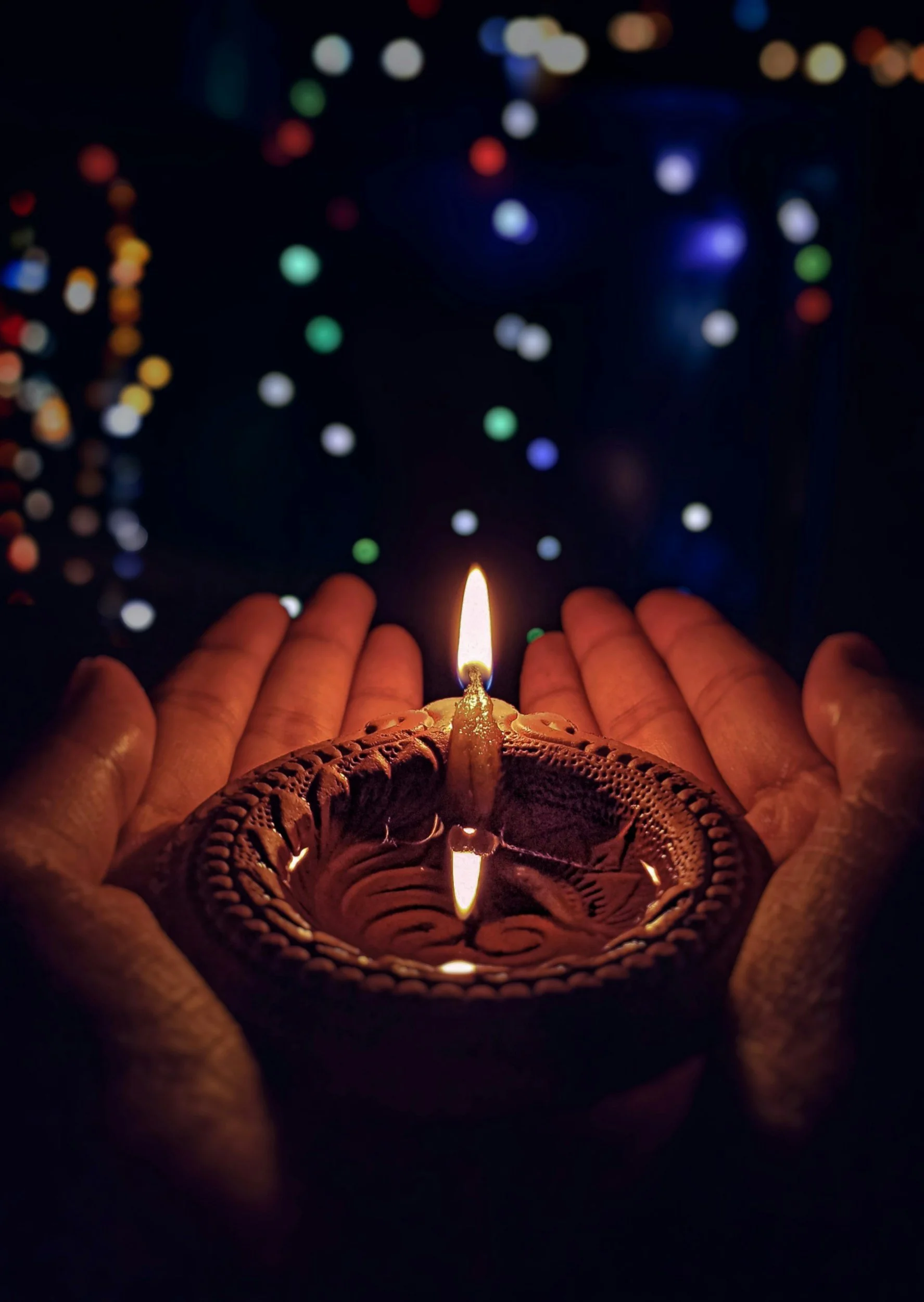
    Traditional preparations begin weeks in advance. Homes and workplaces are cleaned and decorated with colourful rangoli (patterns created with coloured powders or flowers) at the entrance. Diyas (oil lamps) are placed around homes to welcome good fortune.

    2.2 Shopping for Festive Items

    Shopping is an integral part of Diwali. Markets across Singapore, especially in Little India, offer a wide range of items. Consider purchasing:

    • Festive Clothing: Traditional attire such as sarees and kurtas

    • Decorative Items: Diyas, lanterns, and garlands

    • Sweets: Important gifts during Diwali, with options like ladoos, barfis, and other Indian confectionery

    3. Attending Cultural Events

    Singapore hosts various cultural events to celebrate Diwali, particularly in Little India. Key events include:

    3.1 Deepavali Light Up

    This annual event transforms Little India into a dazzling display of lights and decorations. The light-up typically occurs several weeks before Diwali and features vibrant displays, music, and dance performances.

    3.2 Cultural Festivals

    Participate in cultural performances reflecting the traditions of India. Look out for music, dance, and art exhibitions that narrate the stories and significance of Diwali.

    4. Family Gatherings and Prayers

    Diwali is a time for family. Gather with loved ones to perform prayer rituals (puja) to Goddess Lakshmi. The puja typically involves:

    • Offering flowers, fruits, and sweets

    • Lighting diyas and candles

    • Reciting prayers and hymns

    After the puja, share meals and enjoy festive dishes such as biryani, curry, and sweets.

    5. Fireworks and Celebrations

    In Singapore, fireworks are an integral part of the celebrations. Check local schedules to find out when and where displays will take place. Always adhere to safety guidelines when enjoying fireworks.

    6. Gifting and Community Spirit

    Exchanging gifts among friends, family, and neighbours is a common practice during Diwali. Traditional gifts often include sweet boxes, dry fruits, or decorative items. Engaging in charity work during this season is also encouraged, reflecting the spirit of giving and sharing.

    7. Visiting Temples

    Through the festival, many people visit Hindu temples to seek blessings. Notable temples in Singapore include:

    • Sri Mariamman Temple: The oldest Hindu temple in Singapore

    • Sri Veeramakaliamman Temple: A prominent temple in Little India

    Singapore city guide

    Celebrating Diwali in Singapore offers an enriching experience that highlights cultural values, community, and the spirit of festivity. Embrace the traditions, enjoy the festive spirit, and create beautifully illuminated memories with family and friends.

    Guide provided by Singapore’s best luxury florist: www.bloom-song.com

  • Celebrating Halloween in Singapore

    Singapore may not be the first place that comes to mind when thinking of Halloween celebrations, but the city-state has its own unique ways of embracing the spooky season. From haunted houses to trick-or-treating, here’s a guide to making the most of Halloween in Singapore.

    Haunted Houses and Ghost Tours

    Singapore is home to several haunted attractions that operate during the Halloween season. One of the most popular is the annual Sentosa Island Haunted House, which transforms the island into a spine-chilling experience with elaborate sets and jump scares. For those seeking a more immersive experience, ghost tours in areas like Changi and Bukit Brown Cemetery offer the chance to learn about local supernatural legends.

    Trick-or-Treating

    While not as widespread as in Western countries, trick-or-treating is gaining popularity in Singapore, especially in expat communities and residential areas. Some neighbourhoods organise Halloween events where children can go door-to-door collecting sweets. Check with your local community centre or Facebook groups to see if any such activities are planned in your area.

    Halloween Parties and Events

    Singapore’s vibrant nightlife scene comes alive during Halloween, with bars, clubs, and hotels hosting themed parties and events. From costume contests to spooky cocktails, there are plenty of opportunities to dress up and celebrate. Keep an eye on event listings to find the best Halloween parties in town.

    Decorations and Pumpkin Carving

    Many Singaporeans embrace the Halloween spirit by decorating their homes and offices with pumpkins, cobwebs, and other seasonal decorations. Some shopping malls and public spaces also get into the festive mood with elaborate displays. For a hands-on activity, consider organising a pumpkin carving session with friends or family.

    Whether you’re looking for thrills, treats, or simply a chance to embrace your inner ghoul, Singapore offers a range of ways to celebrate Halloween. With a little creativity and a willingness to explore, you can make the most of this spooky season in the city-state.

  • Singapore’s Easiest Hikes for Beginners

    Singapore may be known for its towering skyscrapers and bustling city life, but the island also boasts a surprising number of hiking trails perfect for beginners. Whether you’re looking to escape the concrete jungle or simply enjoy some fresh air, these easy hikes are a great way to explore Singapore’s natural beauty.

    MacRitchie Reservoir Park

    Located in the heart of Singapore, MacRitchie Reservoir Park offers a network of well-marked trails catering to hikers of all skill levels. The 11-kilometre TreeTop Walk is a particular highlight, providing a suspended walkway that allows you to experience the forest canopy up close.

    Bukit Timah Nature Reserve

    As Singapore’s highest natural point, Bukit Timah Nature Reserve is a popular destination for hikers. The main trail to the summit is a moderate 3.2-kilometre hike, but there are also shorter loops suitable for beginners. Keep an eye out for the diverse array of flora and fauna along the way.

    Sungei Buloh Wetland Reserve

    Sungei Buloh Wetland Reserve is a haven for birdwatchers and nature enthusiasts. The easy 2.5-kilometre Mangrove Boardwalk trail allows you to explore the reserve’s rich ecosystem without much physical exertion, making it an ideal choice for families and those new to hiking.

    Coney Island Park

    Accessible by a short causeway, Coney Island Park offers a peaceful respite from the city. The 2.5-kilometre Coastal Trail is a flat, easy hike that showcases the island’s diverse habitats, from grasslands to coastal forests.

    Remember to pack plenty of water, wear comfortable shoes, and be prepared for the tropical heat and humidity. With these beginner-friendly hikes, you can discover Singapore’s natural wonders and enjoy the great outdoors at your own pace.

  • Expat’s Guide to the Main Banks in Singapore

    Singapore’s banking landscape is diverse and accommodating, providing a range of services that cater to both local residents and expatriates. Here’s an overview of the main banks you may consider when moving to or living in Singapore.

    1. DBS Bank (Development Bank of Singapore)

    • Overview: DBS is the largest bank in Singapore and is well-known for its strong digital services. It offers a wide range of personal banking solutions, including savings and current accounts, loans, and investment products.

    • Expat Services: DBS has tailored packages for expatriates, which include multi-currency accounts and international banking services.

    2. OCBC Bank (Oversea-Chinese Banking Corporation)

    • Overview: OCBC is the second-largest bank in Singapore, renowned for its customer service and comprehensive product offerings. OCBC provides everything from everyday banking to wealth management services.

    • Expat Services: The bank offers dedicated services for expats, including a fast-track account opening process and access to financial advisory services.

    3. UOB (United Overseas Bank)

    • Overview: UOB is one of the region’s leading banks, offering a variety of banking products including personal loans, credit cards, and investment services. Its digital banking platform is user-friendly and efficient.

    • Expat Services: UOB provides tailored services for expatriates, including the UOB Mighty app for simplified banking and international services.

    4. Standard Chartered Bank

    • Overview: Standard Chartered is a UK-based bank with a strong presence in Singapore. It offers a range of personal and business banking products, with a focus on wealth management.

    • Expat Services: This bank is particularly appealing to expatriates due to its international services and support for foreign currency accounts.

    5. HSBC (Hongkong and Shanghai Banking Corporation)

    • Overview: HSBC is another international bank with a significant presence in Singapore, offering a wide array of banking products. It is particularly popular among expatriates because of its global footprint.

    • Expat Services: HSBC provides tailored solutions for expats, including international bank accounts and relocation support.

    6. Citibank

    • Overview: Citibank is a major global player with a strong offering in Singapore. It provides various banking services, including personal loans and investment products.

    • Expat Services: Citibank caters well to expatriates, offering services such as global banking accounts and credit cards that are recognised worldwide.

    Account Opening Requirements

    When opening a bank account in Singapore, expatriates generally need to provide the following:

    • Passport or identification

    • Employment pass or work visa

    • Proof of address (utility bill, rental agreement, etc.)

    • Minimum deposit (varies by bank and account type)

    Singapore guide

    Navigating the banking system in Singapore as an expatriate is generally straightforward, with many banks tailored to meet the needs of foreign residents. It is advisable to compare services, fees, and features before choosing a bank that best suits your financial requirements. Whether you are looking for basic banking services or wealth management options, Singapore offers a variety of institutions that can accommodate your needs.

  • Best Picnic Locations in Singapore

    Singapore offers a variety of picturesque spots perfect for a delightful picnic. Here are some of the best locations where you can enjoy a relaxing day outdoors.

    1. Gardens by the Bay

    This iconic garden features lush greenery and stunning landscapes. Find a spot amidst the Flower Dome or the Supertree Grove, where you can enjoy nature alongside futuristic architecture. The wide expanses of grass provide ample picnic space, and amenities such as restrooms and dining options are easily accessible.

    2. East Coast Park

    East Coast Park is a favourite among locals for its scenic beachside setting. With dedicated picnic areas, BBQ pits, and a long stretch of sandy beach, it’s ideal for a day of sun and fun. Activities such as cycling and water sports are also available, making it possible to combine relaxation and adventure.

    3. Botanic Gardens

    A UNESCO World Heritage Site, the Singapore Botanic Gardens offers a serene environment filled with rich flora. The large sprawling lawns, such as the ones near the National Orchid Garden, provide ample space for picnicking. Enjoy the peaceful ambience while being surrounded by beautiful flowers and tranquil water features.

    4. Fort Canning Park

    Drawing on its historical significance, Fort Canning Park is nestled in the heart of the city. With lush greenery and well-maintained lawns, this park offers both open spaces for picnicking and shaded areas for a cooler retreat. The park is rich in history and features several heritage artefacts, providing an interesting backdrop for your outing.

    5. Sentosa Island

    For a beach picnic, Sentosa Island is an excellent choice. Choose from popular beaches like Siloso, Palawan, or Tanjong Beach, all of which are perfect for lounging and enjoying a meal with friends or family. The vibrant atmosphere, along with plenty of recreational activities, makes this location ideal for a fun day out.

    6. Marina Barrage

    The Marina Barrage offers a unique setting with its panoramic views of the city skyline and Marina Reservoir. This location is particularly popular among families, as it has spacious lawns for picnicking, kite-flying, and outdoor games. The nearby café and public toilets add convenience to your visit.

    7. Labrador Park

    Known for its natural coastal beauty, Labrador Park is a quieter option compared to other spots. The park features scenic views of the sea and natural trails. Several shaded areas and picnic tables are available, making it a calm escape from the bustling city.

    8. Punggol Waterway Park

    Located in the north-east region, Punggol Waterway Park is ideal for those looking to picnic by the water. With picturesque boardwalks and various picnic spots along the waterway, it’s a peaceful retreat. The park also has cycling paths and playgrounds for families to enjoy.

    9. Bukit Batok Nature Park

    A hidden gem, Bukit Batok Nature Park is perfect for nature enthusiasts. The park offers tranquil trails and beautiful scenery. There are designated picnic areas where you can enjoy a quiet meal while surrounded by nature, making it a great spot to unwind away from the urban pace.

    10. Pulau Ubin

    For a more adventurous experience, head to Pulau Ubin. This island offers a rustic charm with its natural landscapes and wildlife. Once there, you can find many scenic spots for a picnic, especially near the waterfront. The island also provides opportunities for cycling and exploring, adding to the day’s activities.

    These picnic locations in Singapore offer diverse settings, ensuring that you can find the perfect spot to enjoy the outdoors while savouring good food in the company of friends or family.